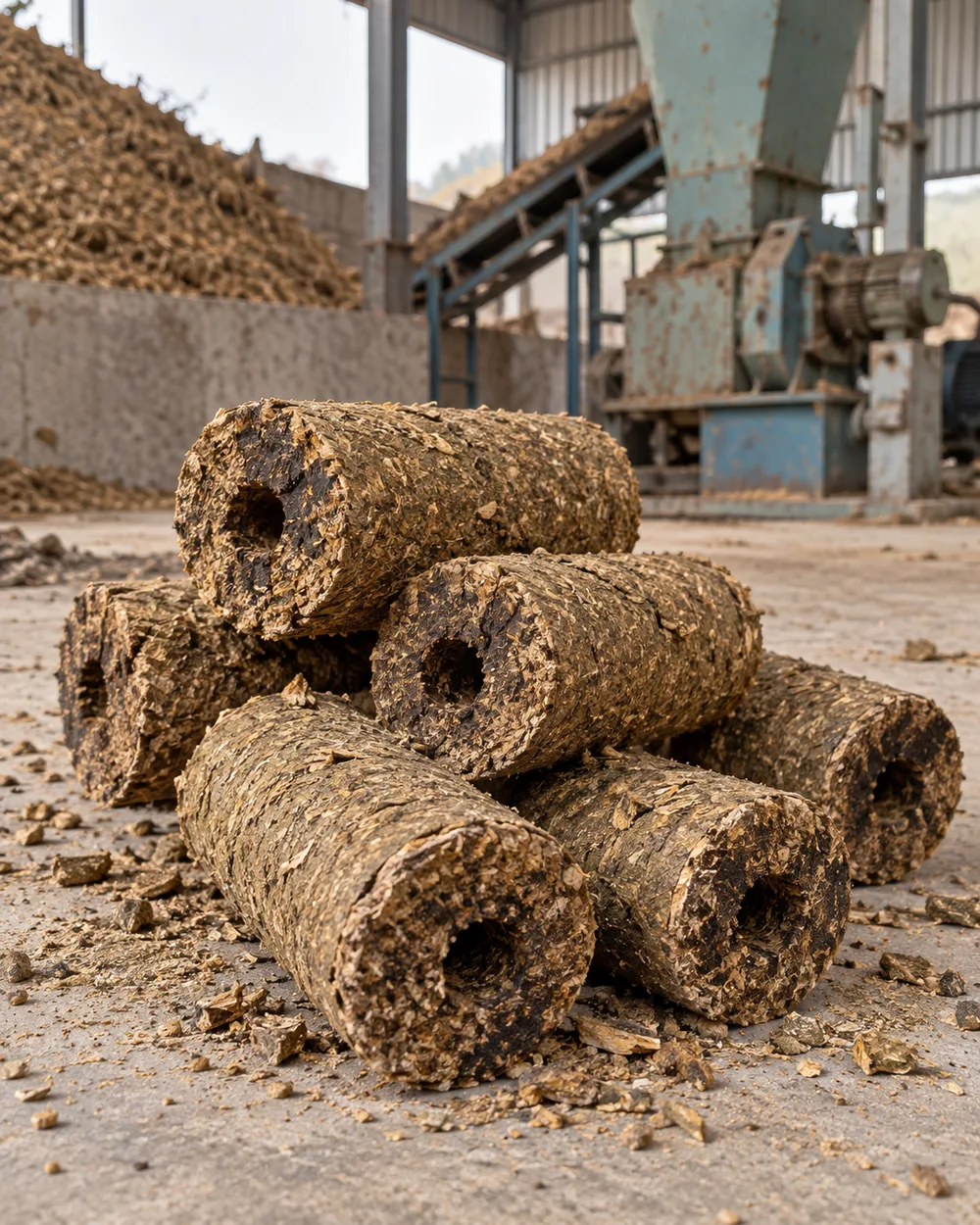
Why biomass pellets and briquettes replace coal, from Ganpati Agrani Biofuel in Bikaner, Rajasthan: A greenertomorrowstarts today
Choosing Ganpati Agrani Biofuel is an investment in the planet. We are deeply committed to driving the circular economy and reducing environmental harm.
Is biomass fuel carbon-neutral?
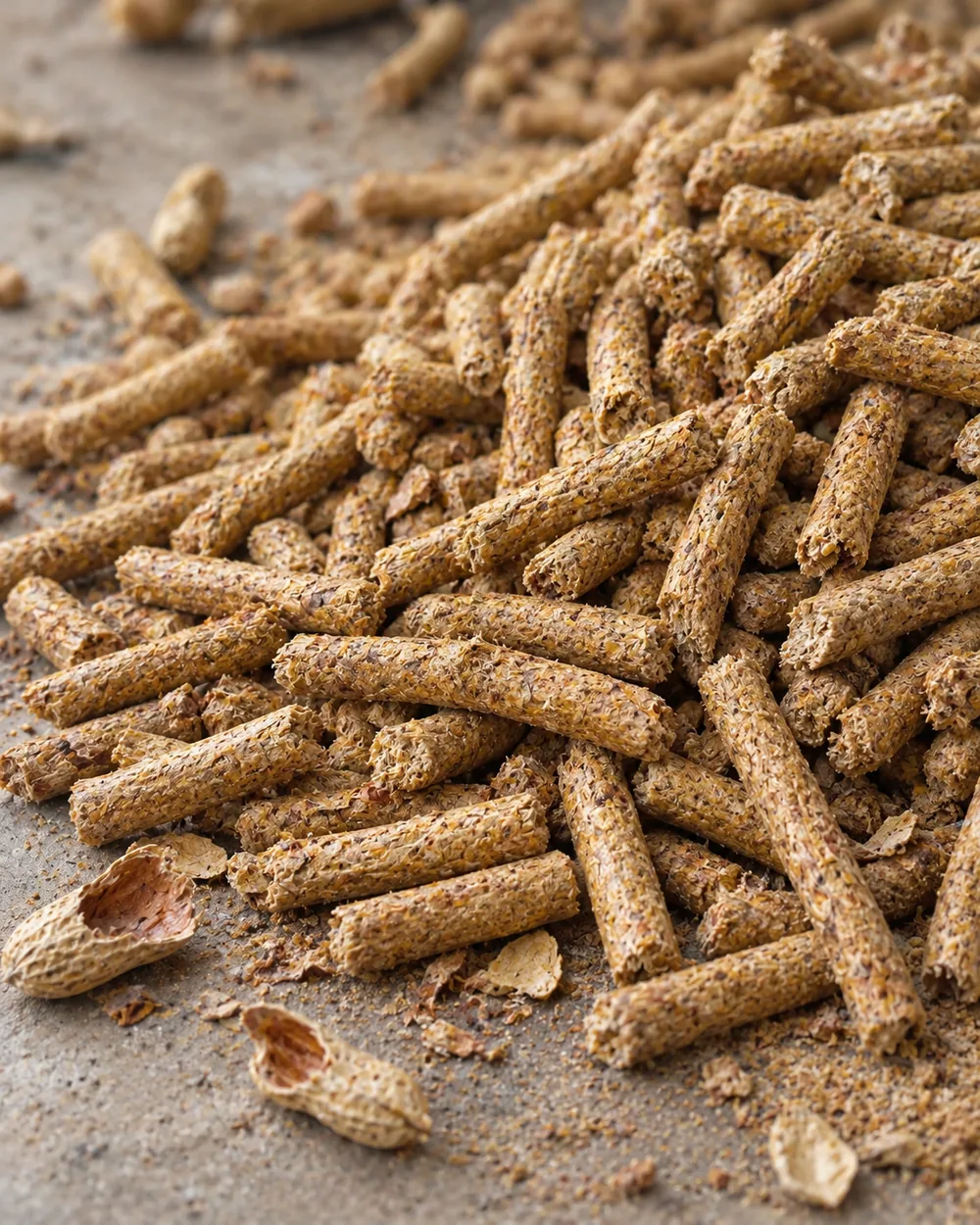
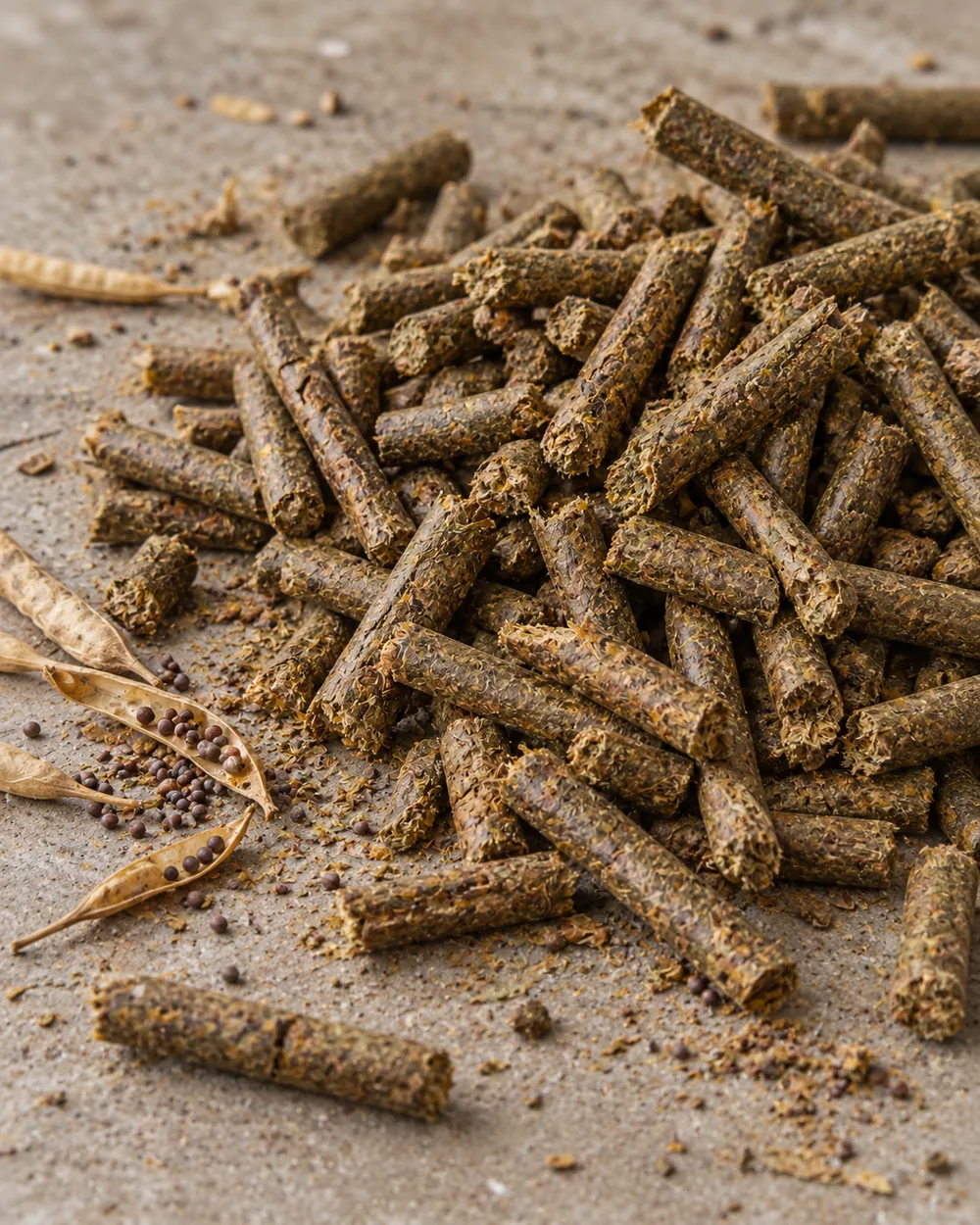
Yes, across its lifecycle. The CO2 a pellet releases when it burns is the same CO2 the mustard or groundnut plant absorbed while it grew. Coal releases carbon that was locked away underground for millions of years.
Replacing coal with biomass pellets allows industries to significantly lower their carbon footprint, and transitioning to biomass supports India’s Green Energy Mission and reduces reliance on imported fossil fuels.
The carbon loop
Biomass heat runs in a circle. Coal only runs one way.
-
Plants grow
Mustard and groundnut absorb CO2 from the air as they grow.
-
Residue is pressed
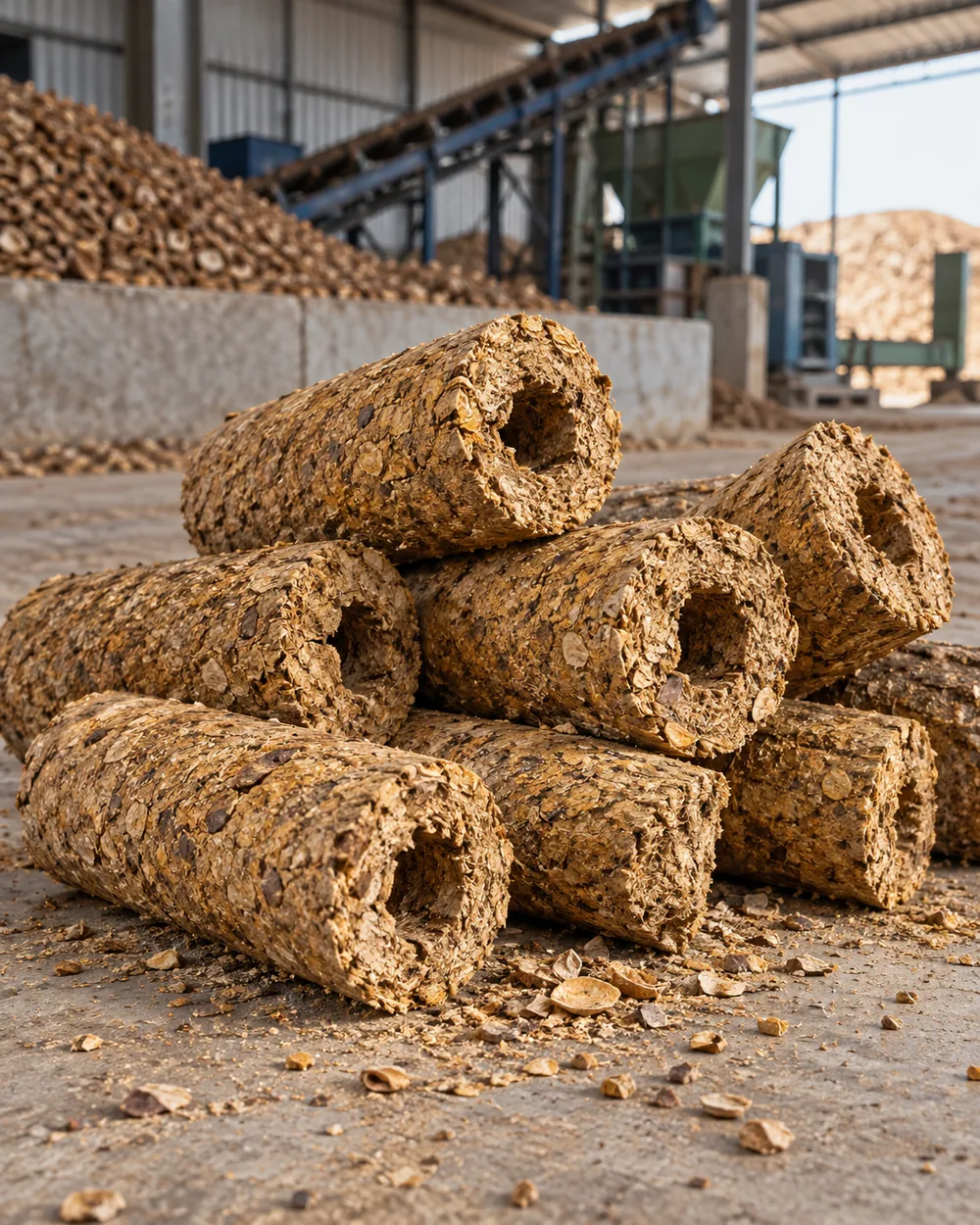
Husk and shells are compressed into pellets and briquettes, with no binders.
-
Fuel burns
Your boiler releases the same CO2 the plants absorbed.
-
The next crop
The next harvest absorbs it again, and the ash returns to the soil.
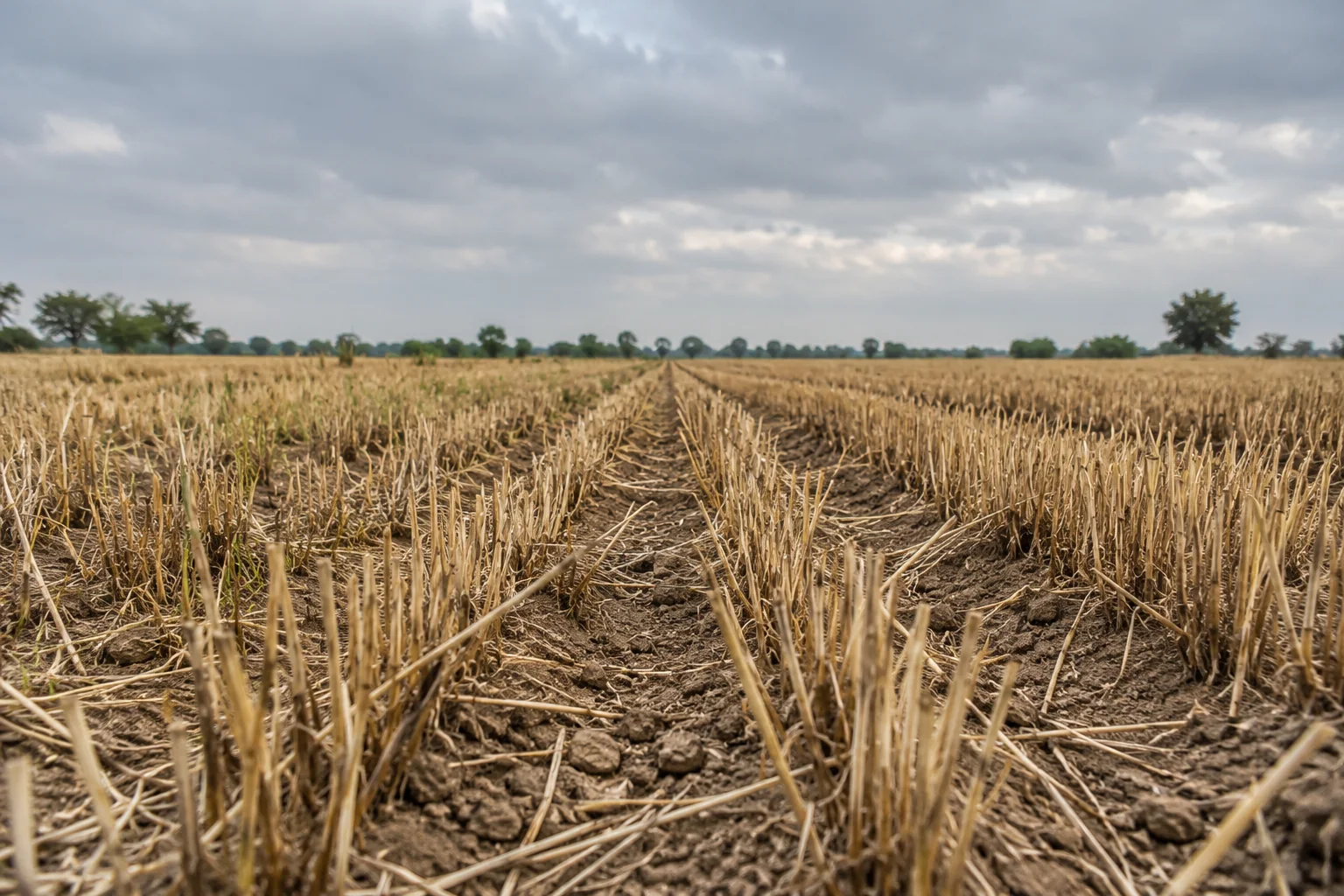
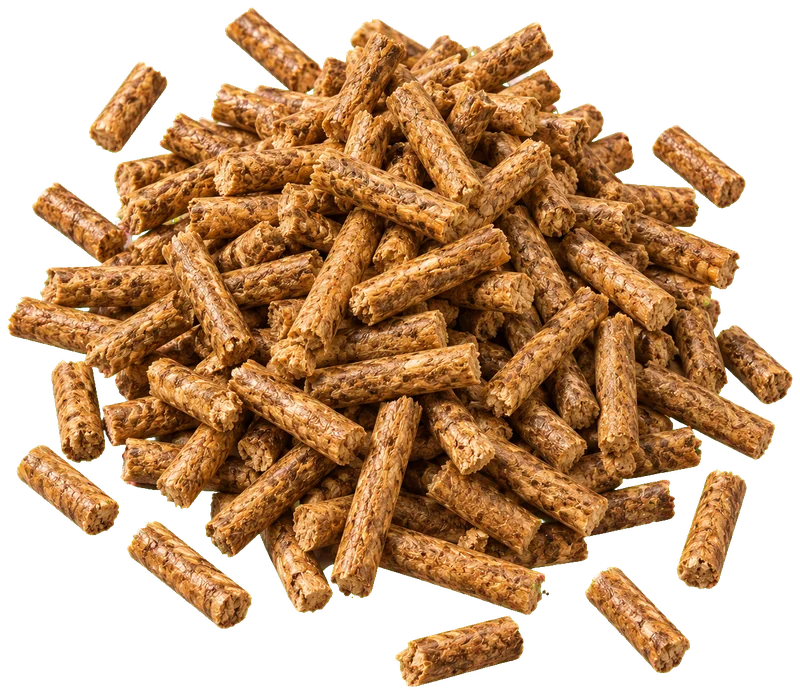
What happens to crop residue without us?
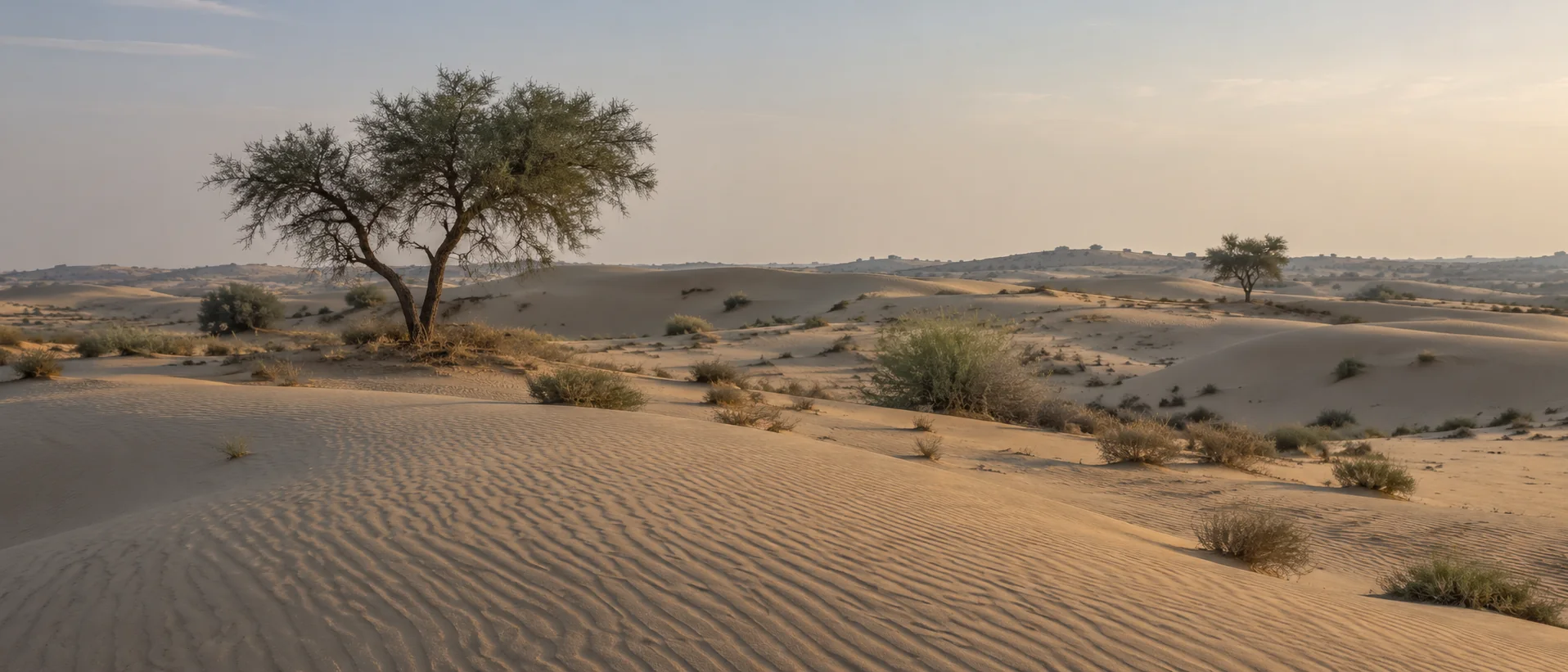
Across north India, leftover stalks are often burned in the field to clear it for the next crop, filling the air with smoke. We purchase crop residue, giving farmers extra income while eliminating the need for harmful field burning.
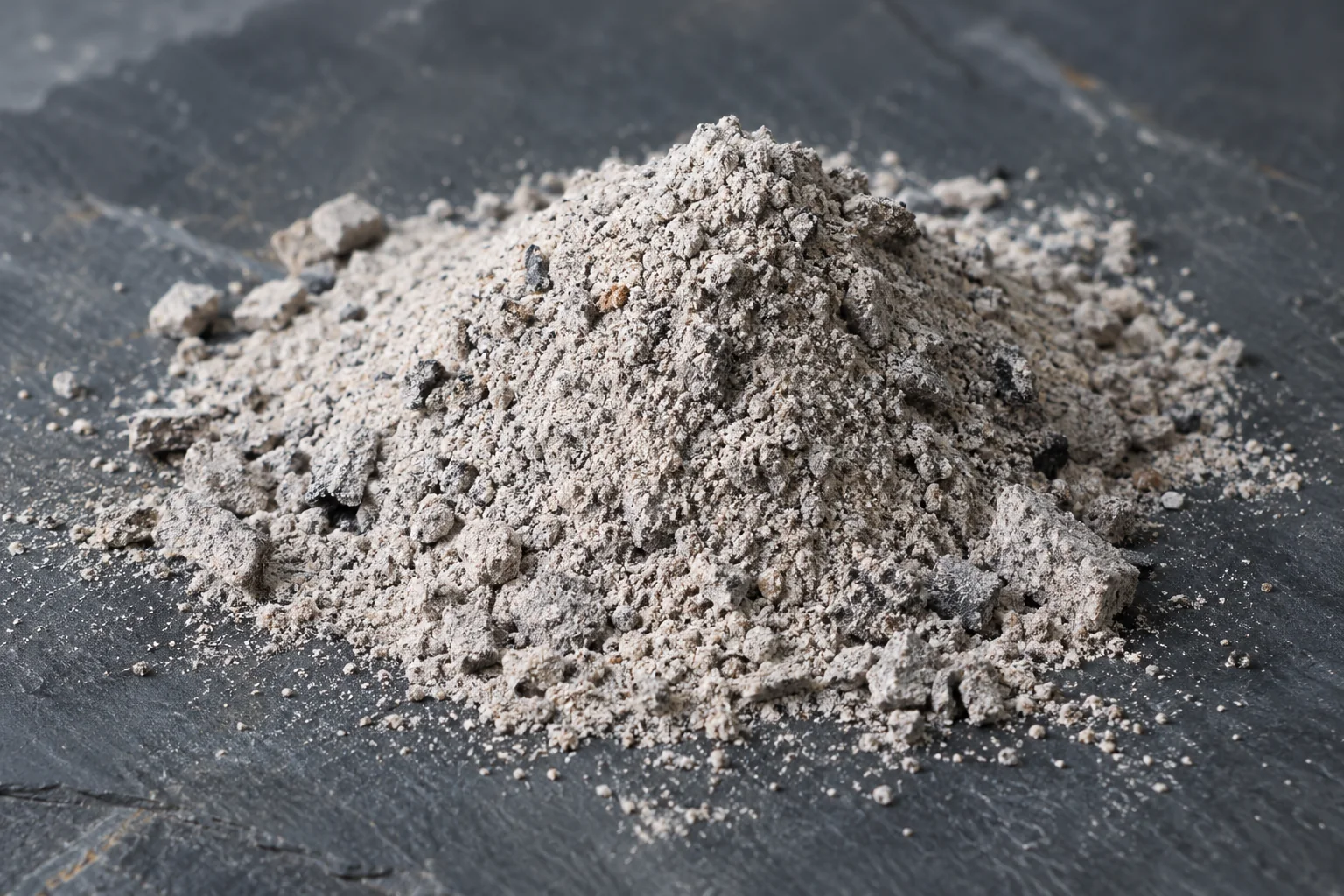
Does biomass leave waste behind?
Very little. Our fuel is manufactured using chemical-free mechanical compression, and even the minimal post-combustion ash doubles as a natural, mineral-rich fertilizer.
Heat value, side by side
Gross calorific value (GCV) is the heat released when a fuel burns completely. Higher GCV means more steam from every tonne you feed.
Our pellets offer higher efficiency and cleaner combustion compared to mid-grade coal and uncompressed biomass.
Benchmarks as published on our earlier site. Product figures are from our spec sheet.
Biomass, plainly answered
Do your pellets and briquettes contain binders or chemicals?
No. Ganpati Agrani Biofuel briquettes and pellets are crafted from 100% pure, renewable biomass and manufactured using chemical-free mechanical compression, completely free from chemical binders.
How do biomass pellets compare with coal?
On the comparison published by Ganpati Agrani Biofuel, premium biomass pellets deliver 4200 kcal/kg against 3800 kcal/kg for Indian Grade C coal and 3000 kcal/kg for raw agro residue. Biomass pellets are carbon-neutral across their lifecycle, because the CO2 released in combustion was absorbed by the plants as they grew.
Where does your raw material come from?
Ganpati Agrani Biofuel sources quality agro-residue directly from local farmers around Bikaner, Rajasthan. Buying crop residue gives farmers extra income and removes the need for harmful stubble burning.
What happens to the ash after burning?
Biomass fuel from Ganpati Agrani Biofuel leaves minimal post-combustion ash, and that ash doubles as a natural, mineral-rich fertilizer, which keeps the whole process close to zero waste.
Make the switch to biomass heat.
Tell us the fuel, the quantity and where it needs to go. We reply with a delivered price.